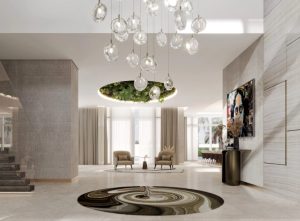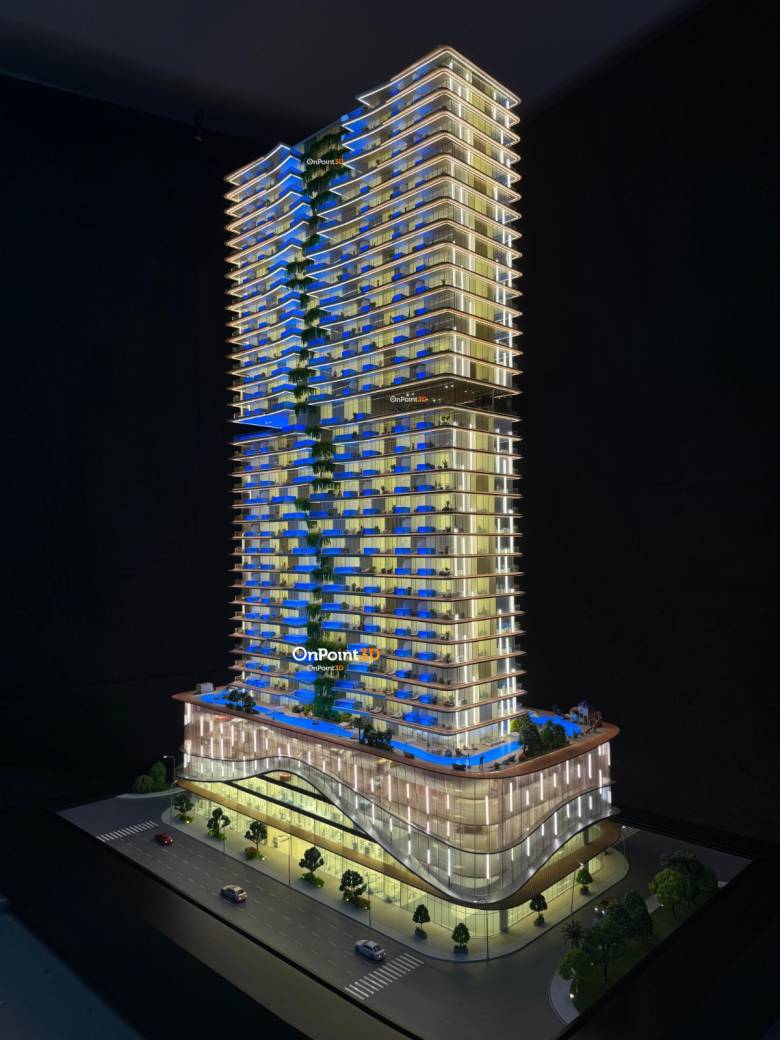
Architecture starts as a spark in the mind. But ideas trapped on a flat screen or page lack life. The move from a simple sketch to a built form is filled with questions. Will the spaces feel right? How will light move through the structure?
Architectural models are the key that reveals these answers. They are the physical conversation between an idea and reality, a vital step often perfected by a skilled model making company in Dubai.
A tangible conversation starter:
Models make ideas discussable. Teams can gather around a physical object, point, and talk. Seeing a shape in three dimensions sparks new thoughts. It turns abstract lines into something you can understand with your eyes and hands. This conversation improves the design through direct, shared experience.
Testing scale and proportion:
Screens can deceive. A roof that looks good in a rendering might feel overwhelming in real life. A model shows true scale. Designers can see how heights relate and how masses balance. They can test if a large window feels inviting or intimidating. This hands-on check prevents costly mistakes later.
Exploring light and shadow:
Creative architecture plays with light. A model is the perfect tool for this study. By placing a model near a window or using a simple lamp, architects watch how sunlight will cut across a wall or how shadows will lengthen in a courtyard. They can shape forms to create specific patterns of light and dark.
Knowing spatial flow:
A great building is a sequence of experiences. How do you move from a quiet hall into a grand room? A model allows you to trace this path. You can look through openings and understand sightlines. This helps architects choreograph movement and emotion, ensuring spaces connect in a powerful way.
Experimenting with materials:
A model is a laboratory for materials. Designers can test how rough brick meets smooth concrete. They can see if a copper panel will age with character. These small studies inform big choices. Texture, color, and reflectivity become clear, giving confidence to material selections for the final build.
Communicating complex vision:
Some designs are beautifully complex. Explaining a swirling form or a layered façade with words or drawings is hard. A model explains it instantly. It communicates the architect’s full creative intent to clients, builders, and communities with clarity that no other tool can match.